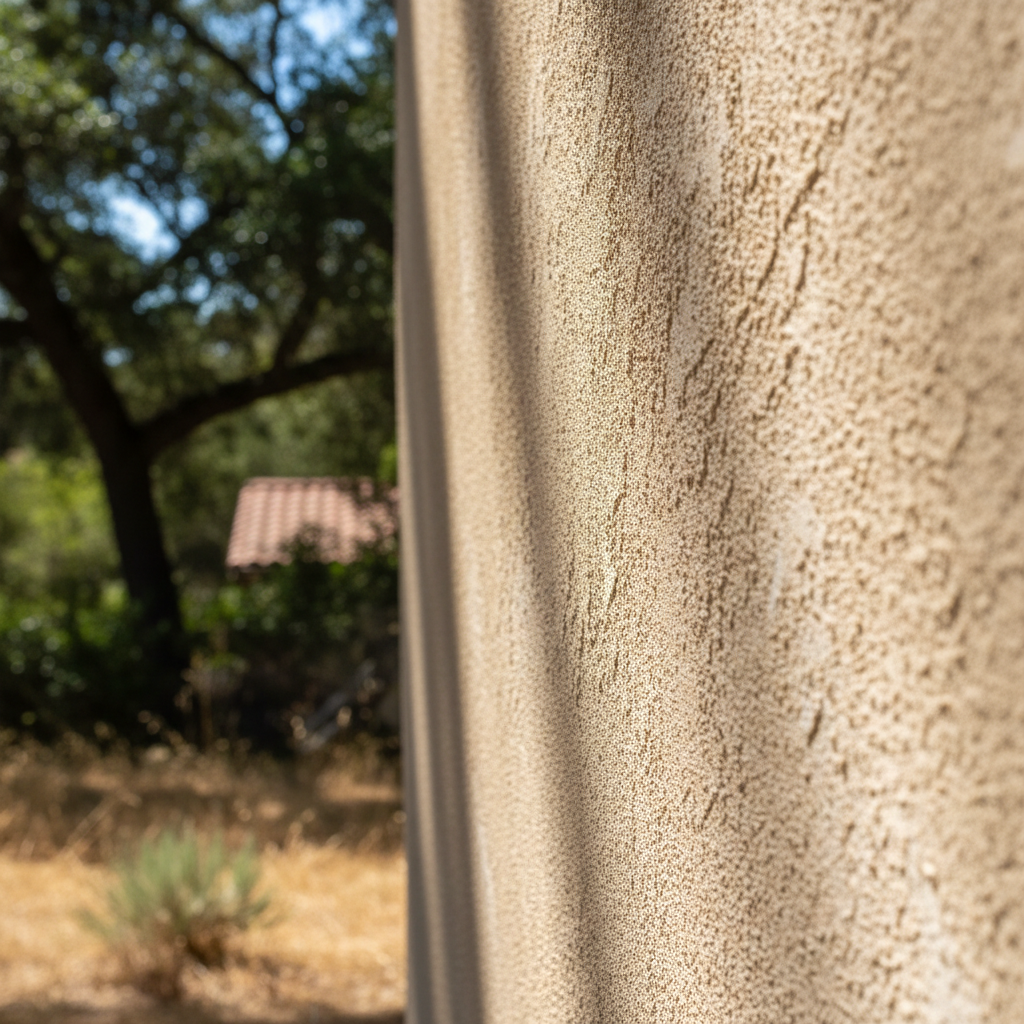
Is your stucco actually doing its job, or is it quietly falling apart? That's a question every Los Altos homeowner with stucco ought to be asking themselves pretty regularly. Stucco is tough, sure, but it's not indestructible. And, honestly, ignoring little problems now can turn into big, expensive headaches later on. So, let's chat about how you can keep an eye on your home's exterior.
Why Even Bother Checking Your Stucco?
You might be thinking, "It's just stucco, it's been there forever." And, yeah, that's often true! Good stucco really does last a long time. But weather, the house settling, and just plain old time can all take a toll. We get some pretty dry summers around here, followed by those wet winters, which can really put building materials through their paces. Cracks can pop up, water can sneak in, and then you've got a whole different kind of mess on your hands — rot, mold, you name it. Regular inspections aren't about hunting for trouble; they're about stopping it before it starts. It's really about protecting your investment, isn't it?
What You Can Do Yourself: The Quick Visual Check
You don't need fancy tools or special training for a basic visual inspection. All you need are your eyes, a notepad, and maybe a camera. Just walk around your house, really look at the stucco. Get up close where you can. Here's what to keep an eye out for:
- Cracks: Are they super thin, like a hair, or are they wider? Hairline cracks are often just cosmetic, but wider ones, especially if they run horizontally or look like a spiderweb, might signal structural movement or water getting in. Pay extra close attention around windows, doors, and where different materials meet.
- Stains: Dark streaks, particularly under windows or near the roofline, usually mean water is getting in and running down. That's a big red flag. Green or black patches? Could be mold or mildew, a sign of ongoing moisture.
- Bulges or Soft Spots: Gently push on the stucco in different areas, especially lower sections or near the ground. If it feels soft, spongy, or bulges out, that's a serious sign of moisture damage underneath.
- Efflorescence: This is that white, powdery stuff you sometimes spot. It's mineral salts left behind when water evaporates from inside the stucco. It means water is getting in and then drying out, leaving those salts behind.
- Deterioration around Openings: Check around all your windows, doors, and utility penetrations (like hose bibs or dryer vents). The sealants there are super important. If they're cracked, peeling, or just plain gone, water's definitely going to find its way in.
- Planter Beds and Sprinklers: Are your planter beds right up against the stucco? Is a sprinkler head constantly soaking a section of the wall? That's a recipe for moisture problems. You want at least 6 inches of clear space between the soil and the stucco.
- Drainage: Look at your gutters and downspouts. Are they clear? Are they actually directing water away from your foundation? If water is pooling near the house, it can wick right up into the stucco.
Do this visual check at least once a year, maybe twice. After a heavy rain is a perfect time to spot fresh water trails or pooling. Make notes, snap some pictures. This gives you something to compare against later.
When to Call a Pro: Beyond What You Can See
Your visual inspection is a fantastic start, but it can only tell you so much. If you spot any of the red flags I just mentioned – especially wider cracks, persistent staining, efflorescence, or soft spots – it's time to bring in someone who really knows stucco inside and out. Seriously, don't wait. These aren't just cosmetic issues; they're often symptoms of much deeper problems.
A professional stucco inspector, like us at Ace Stucco Co, has tools and expertise you probably don't. We use moisture meters, thermal imaging, and sometimes even make small exploratory openings to really see what's happening behind the surface. We're looking for things like:
- Hidden spots where moisture is getting in.
- Damage to the sheathing or framing underneath.
- Flashing that wasn't installed correctly around windows and doors.
- Problems from the original installation that are now causing issues.
We can pinpoint where the problem is coming from, figure out how bad the damage is, and give you a clear, honest assessment of what needs doing. We'll tell you if it's a simple repair or something more involved. For example, in older Los Altos homes, especially those built in the 60s and 70s, we sometimes find original stucco installations that didn't have the same rigorous flashing details we use today, making them more prone to water intrusion over time. A pro will know exactly what to look for based on your home's age and how it was built.
After the Inspection: What Happens Next?
If your DIY check turns up nothing, fantastic! Keep up the good work. If you find minor issues like small hairline cracks, you can often seal these yourself with a good quality elastomeric caulk made for stucco. Just make sure the surface is clean and dry first. For anything more significant, or if you're just not sure, get a professional opinion.
If a professional inspection reveals problems, you'll get a detailed report and recommendations. This isn't a sales pitch, by the way; it's a roadmap to protecting your home. You'll understand exactly what's wrong, why it's wrong, and what it will take to fix it properly. Don't just patch over problems; address the root cause. This approach saves you money and stress in the long run. Your stucco is your home's first line of defense against the elements. Keep it strong.