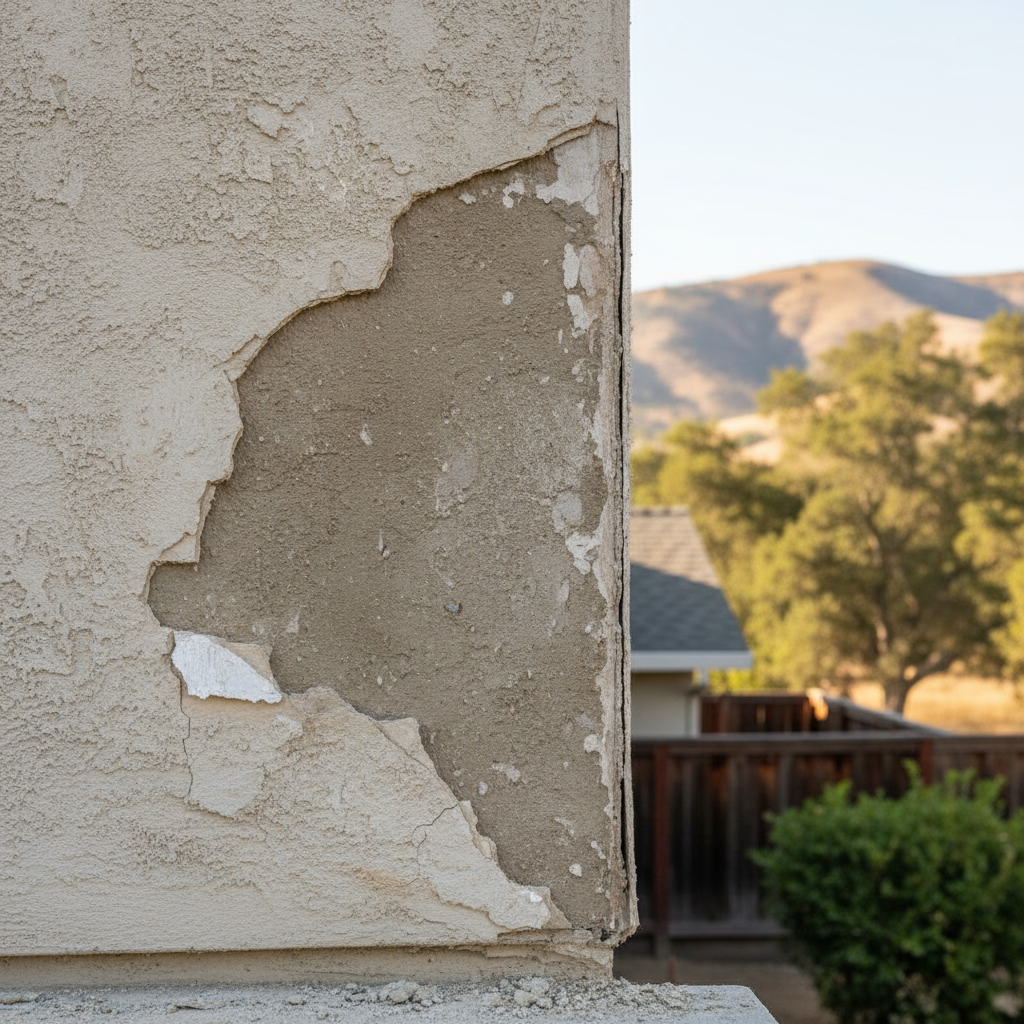
So, you're eyeing your stucco and thinking, "Time for a change, maybe?" It could be looking a bit dated, or perhaps it's just too damaged to fix up. Or hey, you might just want a fresh look for your Los Altos home. Stucco removal isn't a small task, but if you understand how it all works, you can save yourself a lot of headaches—and money. Let's dig into what you should know before you even think about grabbing a hammer.
Before You Start: Planning & Permits
First things first, you can't just rip stucco off your house without some serious thought. The biggest question you need to answer is: what's hiding underneath? Most stucco, especially on older homes around the Country Club neighborhood, went on over wood sheathing and a weather barrier. Sometimes, though, you'll find it directly on masonry or concrete block. Knowing this upfront really shapes how you'll remove it and what you'll need for your new exterior.
Next up: permits. This is super important. In Los Altos, any big change to your home's outside, especially if it affects the structure or keeps the weather out, usually needs a permit from the city. Don't try to skip this step. Trust me, getting a permit ahead of time is way easier than dealing with stop-work orders and fines later on. Just check with the Los Altos Planning Department; they're usually pretty helpful.
And don't forget the mess. Stucco removal kicks up a ton of dust and dirt. You'll definitely need to protect your landscaping, windows, and anything else near the house. This isn't just a quick tidy-up; your place will look like a construction zone for a bit.
DIY vs. Pro: What Can You Really Handle?
Can you take off stucco yourself? Short answer: yes, some of it. Longer answer: it really depends on a bunch of things, and it's almost always a bigger job than you expect.
- Small Patch Removal: If you're only taking off a small section—say, to fix a window frame or replace a damaged piece—you can probably manage this. Grab a hammer, a chisel or pry bar, and your safety gear. Just be careful not to mess up the sheathing or framing underneath.
- Full Wall or Whole House Removal: This is where you really ought to think about calling in a professional. Here's why:
- It's Hard Work: Stucco is tough stuff. It's built to last. Taking it off is physically draining.
- Dust & Debris: We're talking mountains of debris here. You'll need proper disposal, which usually means a big dumpster.
- Hidden Damage: What if you uncover dry rot, termites, or structural problems once the stucco is gone? A pro can spot these issues and tell you what to do.
- Safety First: Working on ladders or scaffolding for hours, especially with heavy tools, comes with risks.
- Weather Protection: Once the stucco is off, your home is exposed. You need a plan to protect it from the elements right away, especially with our occasional heavy winter rains.
For most homeowners, tackling a whole house stucco removal is just too much. It's not just about muscle; it's about knowing what you're looking at underneath and having a solid plan for what comes next. That's where Ace Stucco Co. steps in. We've seen it all, and we know how to get that old stucco off safely and efficiently without damaging your home.
During the Removal: What to Expect
If you decide to go the DIY route for a smaller section, here's the basic process. First, protect absolutely everything. Lay down tarps, cover plants, and tape off windows. Wear heavy-duty gloves, eye protection, a dust mask (or even a respirator), and long sleeves. Stucco dust is no joke, believe me. Start by scoring the stucco around the area you want to remove with a utility knife or grinder. Then, using a hammer and chisel or a pry bar, gently tap and pry the stucco away from the wall. Work in small sections. You'll probably see a metal lath underneath; that needs to come off too.
When pros like us do it, we use specialized tools like demolition hammers and grinders, often with systems to collect the dust. We'll set up scaffolding, make sure there are proper debris chutes, and have a crew working together. It's a much quicker, cleaner (relatively speaking), and safer job.
After Removal: The Next Steps
Once the stucco is gone, you'll see the underlying sheathing and framing. This is your big chance to really inspect everything. Look for any water damage, rot, or pest problems. Fix anything that needs repairing before you put on a new exterior. This is also a perfect time to consider upgrading your insulation or dealing with any other issues that are now exposed.
What's next for your exterior? Are you going with new stucco, siding, brick, or something completely different? You need to make this decision well in advance, because it affects what you'll need for framing, sheathing, and your weather barrier. Make sure your new exterior finish gets installed correctly to keep your home protected for years to come.
Stucco removal is a big project, no doubt, but it can totally change how your home looks and feels. Just make sure you go into it with your eyes wide open, understanding the full scope of the work and knowing when it's smartest to bring in the experts.