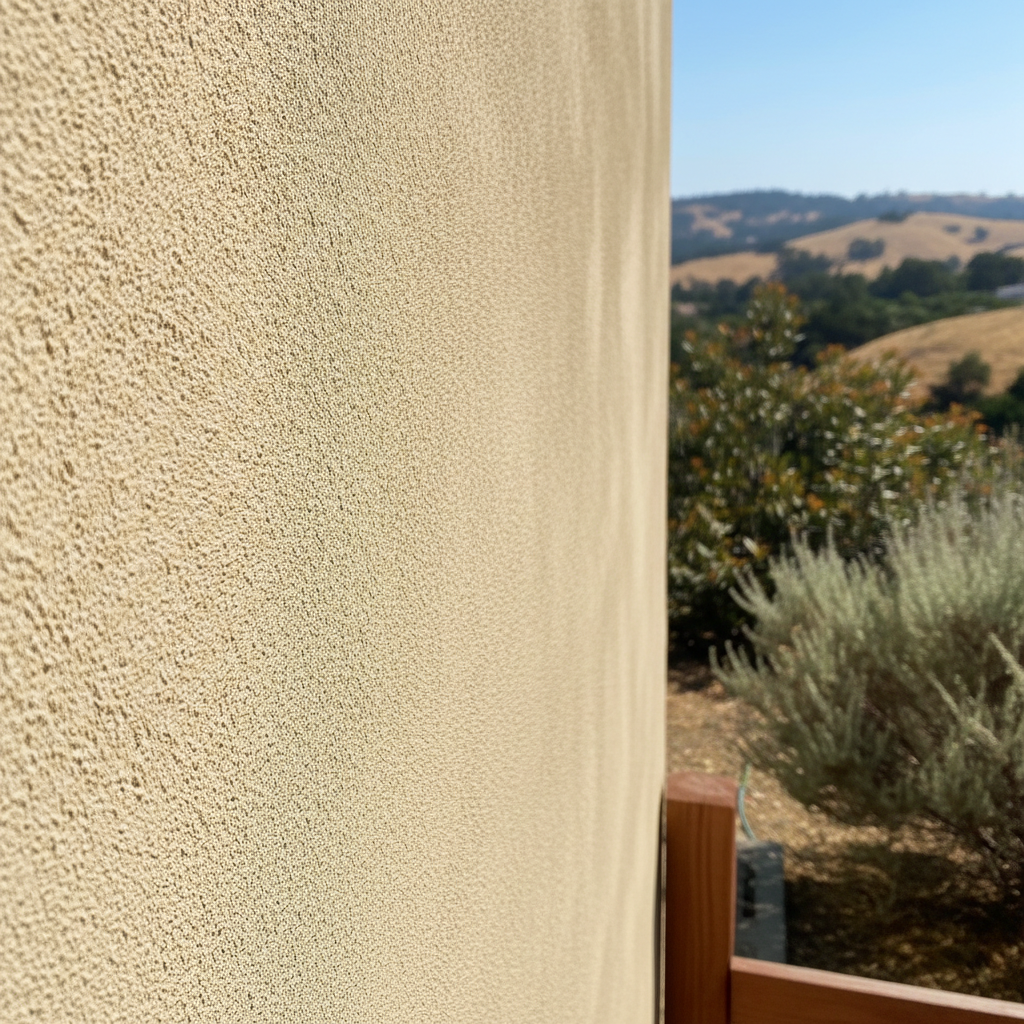
You've got stucco on your Los Altos home, or maybe you're thinking about it, and you've got questions. That's natural. I hear a lot of the same things from folks around here, so I figured I'd put together a straightforward Q&A. No fluff, just the real deal from someone who's been working with stucco for years.
What's the deal with stucco cracks? Are they always a problem?
Cracks are probably the number one concern I hear about. Look, some cracking is normal. Stucco is a rigid material, and houses settle. Materials expand and contract with temperature changes – especially with our Los Altos weather, going from cool mornings to warm afternoons. You'll often see hairline cracks, sometimes called spiderweb cracks, that are purely cosmetic. They're usually not letting water in and don't mean your wall is falling apart. We're talking about those tiny, superficial lines.
However, bigger cracks? Anything wider than a credit card, or cracks that run horizontally or vertically for several feet, especially around windows or doors – those need a closer look. These can indicate structural movement, impact damage, or even a poor original application. If you see a crack that looks like a stair-step pattern in a masonry wall, that's definitely a red flag. Don't ignore those; they can be pathways for moisture, and you certainly don't want water getting behind your stucco.
How often should I clean my stucco, and what's the best way to do it?
Cleaning your stucco isn't something you need to do every month, but it's a good idea to give it a once-over every year or two. Here in Los Altos, we don't get a ton of rain all year, but when we do, it can splash dirt up. Plus, dust, pollen, and even algae can build up, especially on north-facing walls that stay damp longer. The best way to clean it is usually with a garden hose and a soft brush. For tougher spots, a mild detergent like dish soap mixed with water works wonders. Just apply it, let it sit for a few minutes to break down the grime, and then rinse thoroughly.
Now, about pressure washing: you can use a pressure washer, but you need to be really careful. Too much pressure, or holding the nozzle too close, can damage the stucco surface, especially if it's an older, softer finish. Keep the pressure low – think car wash setting, not blasting off old paint – and keep the nozzle moving. Always test a small, inconspicuous area first. If you're unsure, it's better to stick to the hose and brush, honestly.
My stucco looks faded and dull. Can it be repainted, or do I need a full re-dash?
Absolutely, stucco can be painted! In fact, painting is a very common and effective way to refresh the look of your home and extend the life of your stucco. A good quality exterior paint, specifically designed for masonry, will not only restore the color but also add an extra layer of protection against the elements. It's often a much more cost-effective solution than a full re-dash if the stucco itself is in good structural condition.
A re-dash, which involves applying a new layer of finish coat over the existing stucco, is usually reserved for situations where the texture is severely damaged, flaking, or you want a completely different finish. If your stucco is just looking tired, a fresh coat of paint can make it look brand new. Just make sure the surface is clean and any cracks are repaired before painting. You want a smooth, sound base for the paint to stick properly.
What's the difference between traditional stucco and synthetic stucco (EIFS)?
This is a big one, and it's important to understand. Traditional stucco, what we usually call hard-coat stucco, is made from cement, sand, lime, and water. It's applied in multiple layers over a lath (usually metal mesh) and a weather-resistive barrier. It's very durable, breathable, and has been used for centuries. It's a rigid, hard surface.
Synthetic stucco, or EIFS (Exterior Insulation and Finish Systems), is a completely different animal. It typically consists of an insulation board (like foam), covered with a base coat that has a reinforcing mesh embedded in it, and then a finish coat that looks like traditional stucco. The key difference is that EIFS is an insulated, flexible system. It's great for energy efficiency, but it's also more prone to moisture intrusion issues if not installed perfectly or if it gets damaged. Water can get trapped behind the system, leading to rot. You'll often find EIFS on commercial buildings, but it's on some residential homes too. If you're not sure what you have, a professional can tell you pretty quickly.
I'm seeing mold or mildew on my stucco. How do I get rid of it?
Mold and mildew on stucco are pretty common, especially in shaded areas or where water tends to sit. It's not just unsightly; it can eventually degrade the stucco surface if left unchecked. The good news is, it's usually not too hard to get rid of. For light growth, a simple solution of one part bleach to three parts water, applied with a sprayer or brush, will often do the trick. Let it sit for 15-20 minutes, then rinse thoroughly with a garden hose.
Make sure you protect any nearby plants or landscaping from the bleach solution. For more stubborn or widespread mold, you might want to consider a commercial mold and mildew remover specifically designed for exterior surfaces. Always follow the product instructions carefully. And remember, once it's clean, try to address the cause of the moisture – maybe trim back some bushes that are keeping a wall perpetually damp, or fix a leaky gutter that's constantly dripping on one spot.
How long does stucco typically last in Los Altos?
A properly installed and well-maintained traditional stucco system can last a very long time – we're talking 50 to 100 years, sometimes even more. It's one of the most durable exterior finishes out there. I've worked on homes in older Los Altos neighborhoods, like the ones near the Country Club, where the stucco is decades old and still performing beautifully, just needing a refresh now and then.
The lifespan really comes down to a few things: the quality of the initial installation, how well it's maintained over the years (addressing cracks, cleaning, repainting), and whether it's been subjected to severe impact damage or persistent moisture problems. If you keep up with the minor repairs and cleaning, your stucco should easily outlast most other siding materials. That's why folks like Ace Stucco Co focus on doing the job right the first time; it pays off in the long run.
When should I call a professional for stucco issues?
You can handle a lot of the basic maintenance yourself – cleaning, maybe patching a tiny hairline crack with a caulk designed for stucco. But there are definitely times when you need to bring in a pro. If you're seeing those larger, structural cracks we talked about, or if you suspect moisture intrusion (like water stains on interior walls, or soft spots on your exterior walls), don't wait. These issues can quickly become much more expensive if ignored.
Also, if you're dealing with extensive mold growth that won't go away, or if you have stucco that's crumbling, flaking, or detaching from the wall, that's a job for an experienced stucco contractor. We've got the tools, materials, and know-how to diagnose the root cause and fix it properly, ensuring the repair blends seamlessly with your existing finish. It's always better to address these things early rather than letting them turn into a major headache.