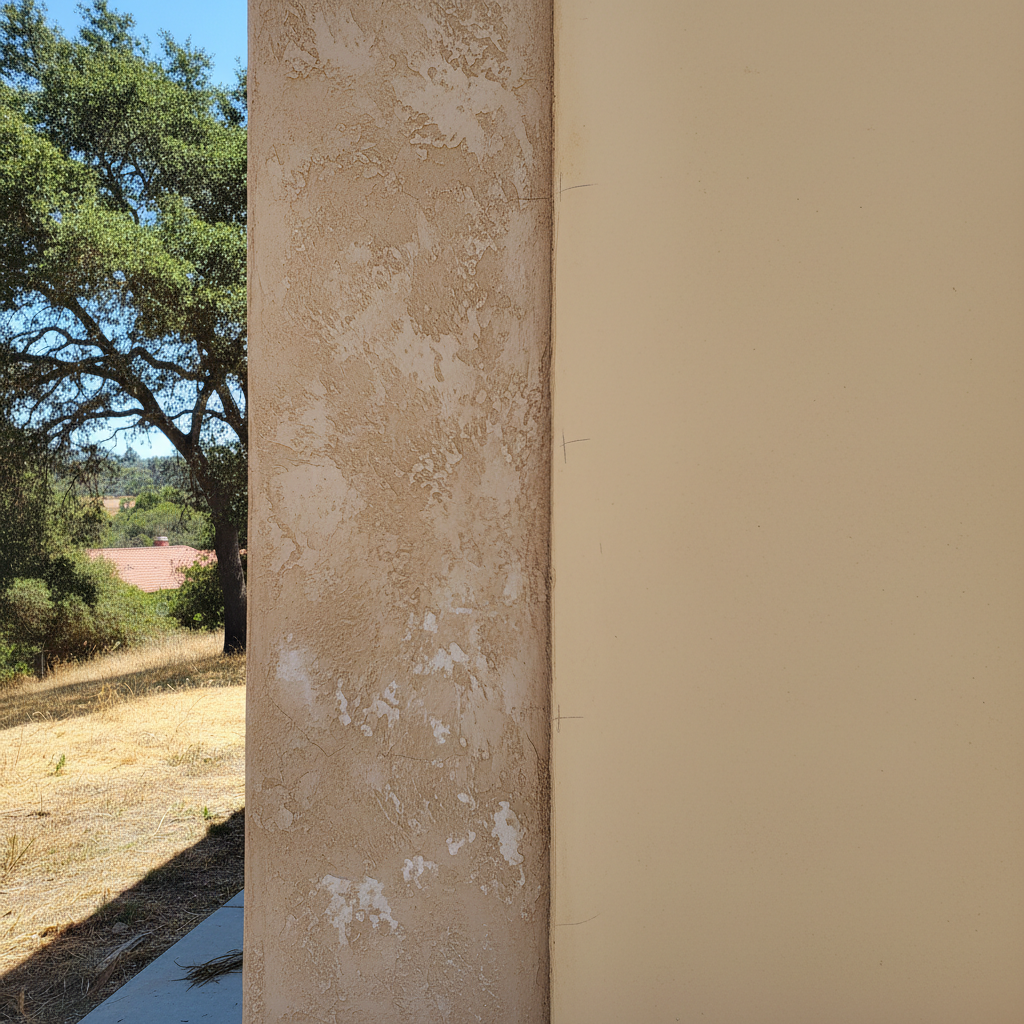
So, you've got stucco on your Los Altos home, right? You're probably wondering how often you should really check it for problems. Or maybe you've got a hunch something's off and need to figure out the best way to get it properly inspected. When it comes to looking at stucco, there are basically two paths: a quick visual walk-around or a much more detailed, comprehensive moisture probe inspection. Let's dig into what each one involves, what it'll cost you, and what you actually gain from it.
The Visual Walk-Around: Quick and Dirty (Sometimes Too Dirty, if you ask me)
This is what most people picture when they hear "stucco inspection." Someone – maybe even you – just strolls around the house, looking for big cracks, weird discoloration, or spots where the stucco seems to be pulling away. A contractor doing this kind of visual check will often tap on the walls. They're listening for hollow sounds, which can point to delamination or, worse, moisture hiding behind the stucco.
Cost: This is usually the cheapest route. Sometimes it's even free if it's part of a bigger estimate for other work. If you hire someone just for this, expect to pay a few hundred bucks for their time and expertise.
Durability & Maintenance Insights: A visual inspection can definitely catch the obvious stuff. If there's a huge crack, a clear stain from a leaky window, or stucco that's literally falling off, a quick look will spot it. It's good for pointing out surface-level issues that need immediate attention.
Appearance: It's fantastic for checking how your stucco looks – fading, dirt, or those surface cracks that don't necessarily mean water's getting in, but sure don't look great.
The Catch: Here's the real deal with visual inspections: they're often just seeing the tip of the iceberg. Stucco is built to shed water, but when water sneaks in behind it – usually around windows, doors, rooflines, or where decks attach – it can just sit there. This causes serious damage to the sheathing and framing underneath, often without any visible signs on the outside. I've seen homes right here in the Highlands neighborhood, with their tricky elevations and complex rooflines, where water quietly rotted away framing for years, all hidden behind a stucco exterior that looked perfectly fine.
The Comprehensive Moisture Probe Inspection: Getting to the Root of It
This is the gold standard, especially for stucco homes in a climate like ours. We get significant rain, then long dry spells, which can really mess with stucco. A comprehensive inspection goes way beyond just looking. It means using specialized moisture meters to take readings at various spots on your stucco, especially around vulnerable areas like penetrations (windows, doors, vents), kick-out flashings, and where different building materials meet up.
How it works: A tiny, almost invisible hole (about the size of a pencil lead) gets drilled through the stucco. Then, a probe goes in to measure the moisture content of the sheathing behind it. These little holes are then sealed up with a color-matched sealant. A good inspector will take dozens, sometimes hundreds, of these readings, mapping out any spots with elevated moisture. Pretty thorough, huh?
Cost: This is a much more involved process, so naturally, it costs more. You're generally looking at anywhere from $800 to $2,000 or more, depending on your home's size and how complex it is. It's an investment, for sure.
Durability & Maintenance Insights: This is where you get the real answers. A moisture probe inspection will tell you if water is getting behind your stucco, even if there are no visible signs on the outside. It uncovers hidden damage, potential rot, and areas where your stucco system might be failing. This lets you tackle problems early, before they balloon into massive, expensive structural repairs. It's proactive maintenance at its very best.
Appearance: While it's not directly about how things look, preventing hidden rot will absolutely help keep the structural integrity that supports your stucco's appearance. Plus, getting a clean bill of health (or knowing exactly where to fix things) just gives you that much-needed peace of mind.
My Recommendation for Los Altos Homeowners
For typical California conditions, where we often have long dry periods that can hide underlying moisture issues, a comprehensive moisture probe inspection is absolutely the way to go. A visual inspection is fine for a quick check or if you're just trying to spot obvious damage after a storm, but it won't tell you the whole story about your stucco system's health.
I've seen too many homeowners kick themselves for not getting a probe inspection sooner. They end up with extensive rot that could've been a minor repair if caught earlier. Especially if you're buying or selling a home, or if your stucco is more than 10-15 years old, investing in a thorough moisture inspection can save you tens of thousands of dollars down the line. It's not just about the stucco itself; it's about protecting the entire structure of your home, you know?
At Ace Stucco Co, we always suggest getting the most complete picture of your stucco's condition. Don't guess; know for sure.