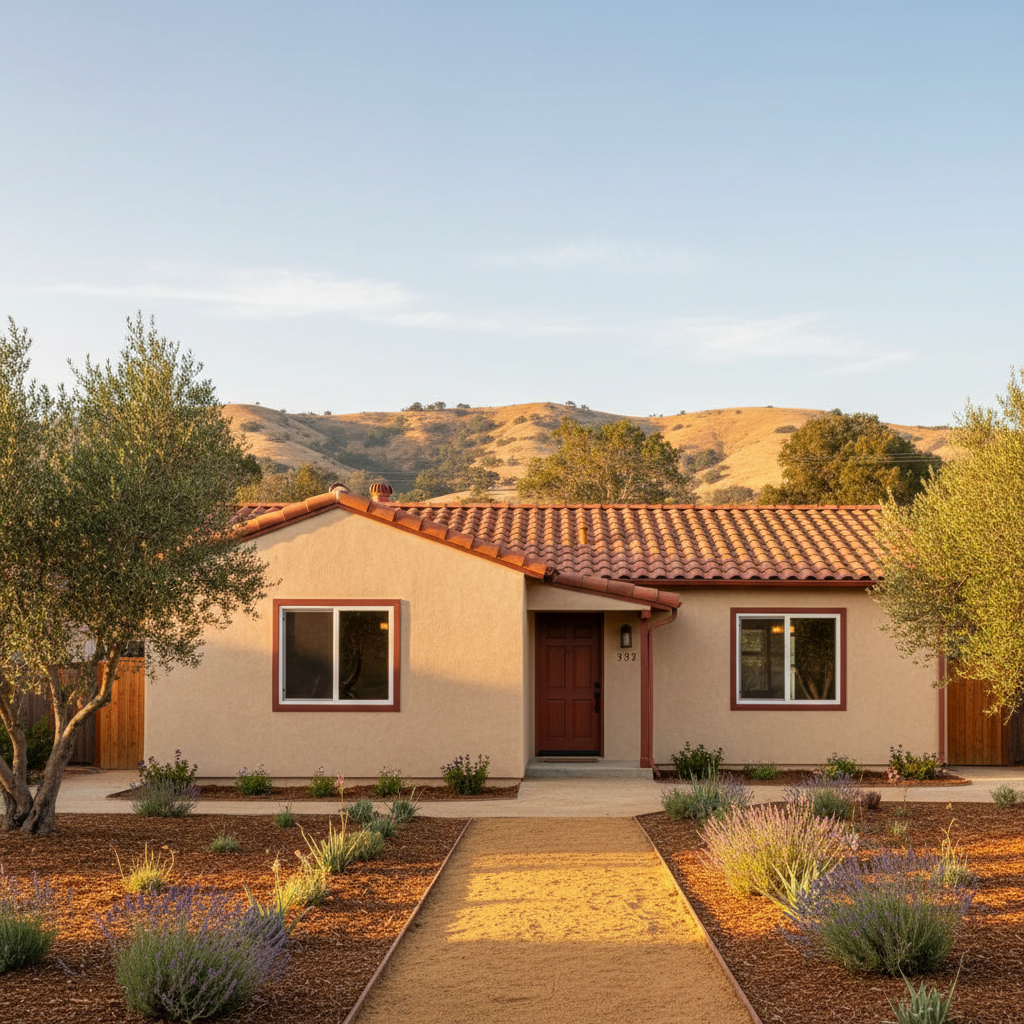
So, you've been eyeing your home's stucco, thinking it might be time for a fresh look, maybe even a full redash. Good thinking! A new coat of stucco isn't just about making your place look nice; it's about keeping your biggest investment safe. But what's that actually going to set you back, especially here in Los Altos? Let's talk about it.
What Exactly *Is* Redashing?
First, let's get on the same page. Redashing isn't just slapping paint over cracks. Nope. It means putting a brand-new finish coat of stucco right over your existing, prepped stucco. We're talking about a real upgrade, something that breathes new life into your home's exterior, smoothing out small flaws and giving everything a consistent, fresh appearance. It's a job that really needs to be done right, otherwise you'll just face bigger headaches later on.
The Big Things That Make Redashing Costs Go Up (or Down)
Okay, I know you want numbers, and I'll get to those. But first, you've got to understand why those numbers can swing so much. It's definitely not just a flat rate per square foot, trust me.
- How Your Current Stucco Looks: This is a huge one. If your stucco is mostly solid with just a few tiny cracks, we won't need to do much prep. But if it's got widespread peeling, major cracking, or water damage, we'll have to do a lot more repair work before we even think about that new finish coat. More repairs mean more time and materials, which, of course, means a higher cost.
- Your Home's Size and How Complicated It Is: A single-story ranch house will naturally cost less to redash than a multi-story home packed with architectural details, like eaves, dormers, and fancy trim. Getting to everything plays a big part too. If we need a lot of scaffolding or special lifts to safely reach high spots, that adds to the project's complexity and its price tag.
- The Finish Coat You Pick: There's a whole range of textures and materials out there. A super smooth, fine finish often takes more careful application than a thicker, more textured one. Synthetic (acrylic) stucco finishes, while super durable and great at holding color, usually cost more per square foot for materials than the old-school cement-based ones.
- Color Choice: Believe it or not, some colors are pricier. Deep, rich colors often need more pigment, and sometimes an extra coat, to get that even coverage you're looking for.
- Local Rules and Permits: Here in Los Altos, depending on what we're doing, you might need permits. We take care of all that for you, but it's a cost that gets worked into the total.
Typical Cost Ranges for Redashing in Los Altos
Alright, let's get down to actual figures. For a standard redashing project in Los Altos, assuming your existing stucco is in pretty good shape and just needs a refresh, you're usually looking at something like $6.00 to $12.00 per square foot. This covers materials, labor, and basic prep work.
Now, let's break that down a little more:
- Basic Redash (Good Condition): If your stucco is solid, just faded or has minor surface cracks, you'll likely be in the $6.00 - $8.00 per square foot range. This is for a standard cement-based finish, like a sand float or dash finish.
- Moderate Redash (Some Repairs Needed): If there are more significant cracks, some areas need patching, or you want an acrylic finish, expect $8.00 - $10.00 per square foot. Acrylic finishes offer better flexibility and keep their color longer, which is a real plus for our climate with those hot, dry summers and the occasional heavy rains that can really stress older stucco.
- Complex or Extensive Repairs: For homes with a lot of existing stucco damage, intricate architectural details, or tough access, costs can jump to $10.00 - $12.00+ per square foot. This covers the extra labor for extensive crack repair, patching, or specialized scaffolding.
So, for a typical 2,000 square foot single-story home, you might see a total project cost anywhere from $12,000 to $24,000. A bigger home, say 3,500 square feet with some tricky bits, could easily hit $21,000 to $42,000 or even more. Just remember, these are rough estimates. Every home is truly one-of-a-kind.
What Should Your Quote Include?
When you get a quote from Ace Stucco Co. — or any good contractor, for that matter — make sure it's thorough. Here's what you should expect to see:
- Detailed Scope of Work: This should clearly spell out exactly what's being done. Surface prep (cleaning, patching, crack repair), how many coats, the type of finish, and the color.
- Material Specifications: What kind of stucco finish are they using? Traditional cement? Acrylic? Which brand?
- Labor Costs: This covers the crew's time.
- Equipment Rental: If scaffolding, lifts, or specialized equipment are necessary.
- Permit Fees: If they apply, these should be listed.
- Protection and Cleanup: Covering windows, doors, landscaping, and a thorough site cleanup when they're done. You definitely don't want stucco splatters on your new pavers down by Marymeade Park, right?
- Warranty Information: What's covered and for how long.
How to Avoid Overpaying (and Getting a Bad Job)
Getting a fair price doesn't just mean picking the cheapest bid. That's a sure-fire way to end up with a massive headache.
- Get Several Bids: Three detailed bids from reputable, licensed, and insured contractors are usually enough. Compare them carefully — make sure each bid specifies the exact same work and materials.
- Ask for References and See Their Work: Any good contractor will be happy to show you homes they've redashed right here in Los Altos. See the quality for yourself.
- Don't Rush Your Decision: Take your time reviewing quotes and asking questions. A contractor who tries to pressure you isn't someone you want working on your home.
- Understand the Contract: Read every single line. Make sure everything you talked about is in writing.
- Be Wary of Super Low Bids: If one bid comes in way lower than the others, there's usually a reason. It could mean they're cutting corners on materials, labor, or aren't properly insured. That's a risk you absolutely don't want to take.
Redashing your stucco is a big investment, but it's one that really pays off in both protection and how great your home looks. Do your homework, ask the right questions, and you'll end up with a beautiful, long-lasting finish that truly adds value to your Los Altos home.