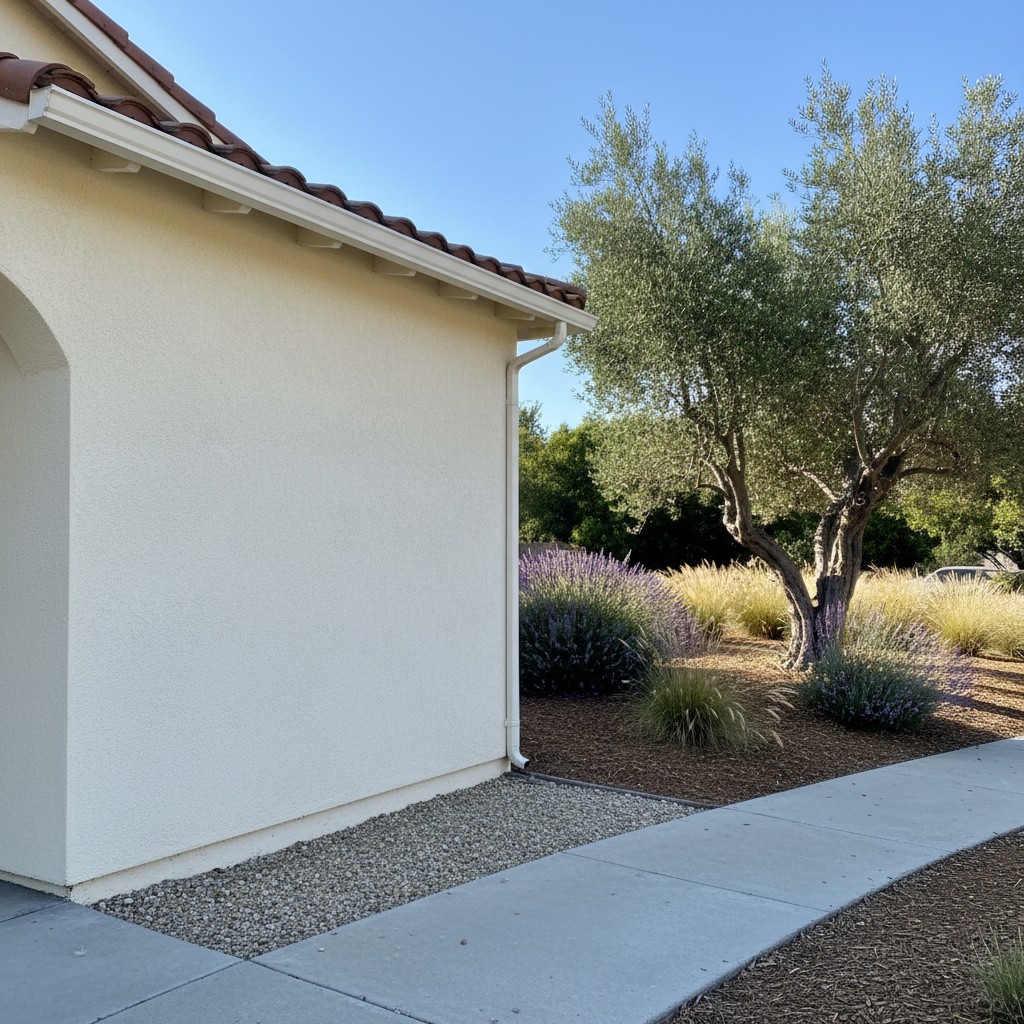
Stucco Maintenance for Los Altos Businesses
Running a business in Los Altos? You've already got a mountain of things to handle. The last thing you need is your building's outside looking beat up, or worse, actually falling apart. Stucco is a great, tough finish, but it’s not something you can just put up and forget about. Especially here in California, with our really dry summers and those occasional heavy winter downpours, you really need to keep an eye on it. Good maintenance isn't just about looking nice from the street; it's about keeping your investment safe and avoiding those truly expensive repairs later on.
Making Your Stucco Last Longer
You want your stucco to stick around for decades, right? Well, it absolutely can. A huge part of that is making sure water can't sneak in behind it. That's the golden rule, honestly. From what I've seen over the years, here's what makes the biggest difference:
- Keep it Clean: Dirt, dust, and even mildew can build up, particularly on walls facing north that don't get much sun. This isn't just about looks; these can actually trap moisture right against the surface.
- Handle Water Runoff: Your gutters and downspouts? They need to be clear and push water away from the foundation. And if you've got landscaping, please make sure sprinklers aren't constantly spraying the stucco. I've seen loads of commercial buildings near the Rancho San Antonio Preserve where irrigation problems have led to serious staining and even walls crumbling at the bottom.
- Seal Up Openings: This one's a big deal. Any spot where something pokes through the wall – windows, doors, pipes, vents – needs to be sealed properly with a good, flexible sealant. Check these every single year. Caulk just dries out, cracks, and shrinks over time, you know?
- Paint When It Needs It: A decent quality elastomeric paint can give you an extra layer of protection and totally freshen up the look. Don't just grab any old paint, though; make sure it breathes and is made specifically for stucco.
What Regular Maintenance Looks Like
For a commercial property, you're not going to be out there with a sponge every week, I totally get that. But a routine check-up, maybe twice a year, can save you a mountain of trouble. Just walk around your building and really take a good look at the stucco.
- Visual Inspection: Look for cracks, places where the color has changed, or areas that seem to be holding water. Pay extra attention to corners, around windows and doors, and down near the ground.
- Cleaning: A gentle power wash (and I mean *low* pressure!) with a mild soap can work wonders. Don't blast it; you don't want to force water into the stucco or mess up the finish. If you're seeing mildew, a bleach solution (diluted, obviously) can help, but always try a tiny, hidden spot first.
- Caulking Checks: Like I said, check all those seals. If you spot cracks or gaps, re-caulk them. It's a small task that stops much bigger problems.
Warning Signs of Trouble
You don't have to be a stucco guru to tell when something's off. Your eyes and a little common sense are your best tools. Here are some red flags:
- Cracks: Tiny hairline cracks are usually just cosmetic, but wider ones (say, 1/16 inch or more), spiderweb patterns, or cracks that run long distances horizontally or vertically could mean the building is shifting or water is getting in.
- Stains and Discoloration: Dark streaks, especially under windows or rooflines, often mean water is sneaking in somewhere. Green or black patches usually point to mildew or algae, which means moisture is hanging around.
- Bubbling or Delamination: If the stucco surface is bubbling up, flaking off, or separating from the wall underneath, that's a serious sign of trapped moisture or a bond that's failed.
- Soft Spots: Gently tap on the stucco. If it sounds hollow or feels soft and spongy, you probably have water damage and rot behind the finish. This is a really big deal.
- Efflorescence: Those white, powdery deposits? That's salt coming out of the stucco as water dries up. It means water is moving through the wall, plain and simple.
When to Call a Professional
Look, you're busy running your business. You don't have time to become a stucco expert. If you see any of those warning signs, especially the bigger cracks, bubbling, or soft spots, it's definitely time to call someone who knows what they're doing. Don't wait. A small issue today can turn into a massive, expensive repair tomorrow. Water damage behind stucco can lead to rot, mold, and structural problems that are way more costly to fix than just addressing the initial leak.
A professional can figure out exactly what's wrong, pinpoint where the water is coming from, and suggest the right fix. Sometimes it's a simple patch and re-seal; other times it might need more extensive work. Ace Stucco Co. has been working on commercial properties in the Los Altos area for years, and trust me, we've seen it all. We can give you an honest assessment and a plan to get your building back in top shape, protecting your investment and keeping your business looking sharp.